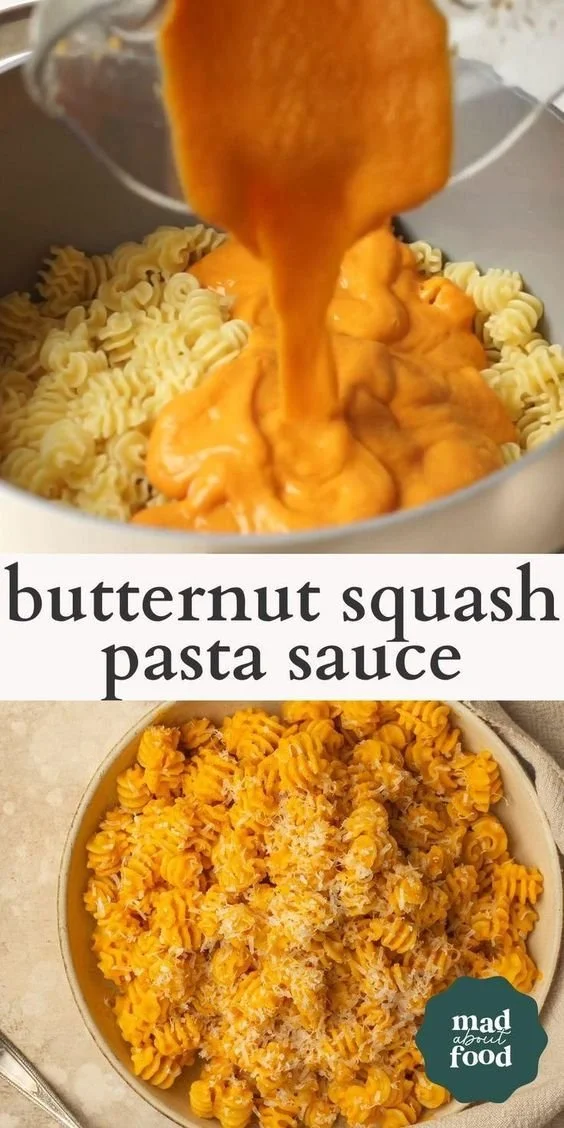
Butternut Squash Pasta Sauce (Dairy-Free Made with Frozen Squash) offers a delightful way to enjoy a creamy, rich pasta sauce that caters to various dietary needs. This recipe takes advantage of frozen butternut squash for convenience while delivering a comforting, flavorful dish that both kids and adults will love. It’s quick to make, packed with wholesome ingredients, and perfect for weeknight dinners.
Why You’ll Love Butternut Squash Pasta Sauce
- Easy to Prepare: With minimal prep and cook time, this dish is perfect for busy evenings.
- Creamy and Flavorful: The blend of roasted butternut squash and fresh tomatoes creates a velvety sauce that elevates any pasta.
- Dairy-Free Option: This recipe is designed to cater to those avoiding dairy without compromising on taste.
- Nutrient-Rich: Loaded with vegetables, this pasta sauce offers vitamins and minerals, making it a healthier choice for your family.
- Versatile and Customizable: Adjust the ingredients based on what’s available in your pantry, or add your favorite spices and proteins.
Recipe Overview
- Prep Time: 10 minutes
- Cook Time: 20 minutes
- Total Time: 30 minutes
- Servings: 4
- Difficulty Level: Easy
Ingredients You’ll Need for Butternut Squash Pasta Sauce
-
Vegetables:
- 16 oz bag of frozen diced butternut squash
- 1.5 cups fresh chopped tomatoes
- 1/2 yellow onion
-
Seasoning:
- 2 tbsp olive oil
- 1 tsp salt
- 1/4 tsp black pepper
- 1/2 tsp dried thyme
-
Pasta:
- 1 lb pasta (choose your favorite type, such as penne or spaghetti)
-
Optional:
- 1/3 cup pasta water (reserved from cooked pasta) for blending into the sauce
- Grated parmesan cheese or plant-based parmesan for serving
How to Make Butternut Squash Pasta Sauce
-
Preheat the Oven: Preheat your oven to 450°F (232°C) and line a baking sheet with parchment paper.
-
Prepare the Vegetables: Spread the frozen butternut squash, chopped tomatoes, and sliced onion evenly on the baking sheet.
-
Season the Veggies: Drizzle olive oil over the vegetables, then season with salt, black pepper, and dried thyme. Toss to ensure everything is well-coated.
-
Roast the Vegetables: Bake in the preheated oven for 20 minutes or until the squash is tender and lightly caramelized.
-
Cook the Pasta: While the vegetables are roasting, cook the pasta according to package instructions. Ensure to cook it to al dente for the best texture.
-
Reserve Pasta Water: Just before draining your pasta, reserve 1/3 cup of the pasta water.
-
Blend the Sauce: Carefully transfer the hot roasted vegetables into a blender. Add the reserved pasta water and blend until a smooth sauce forms.
-
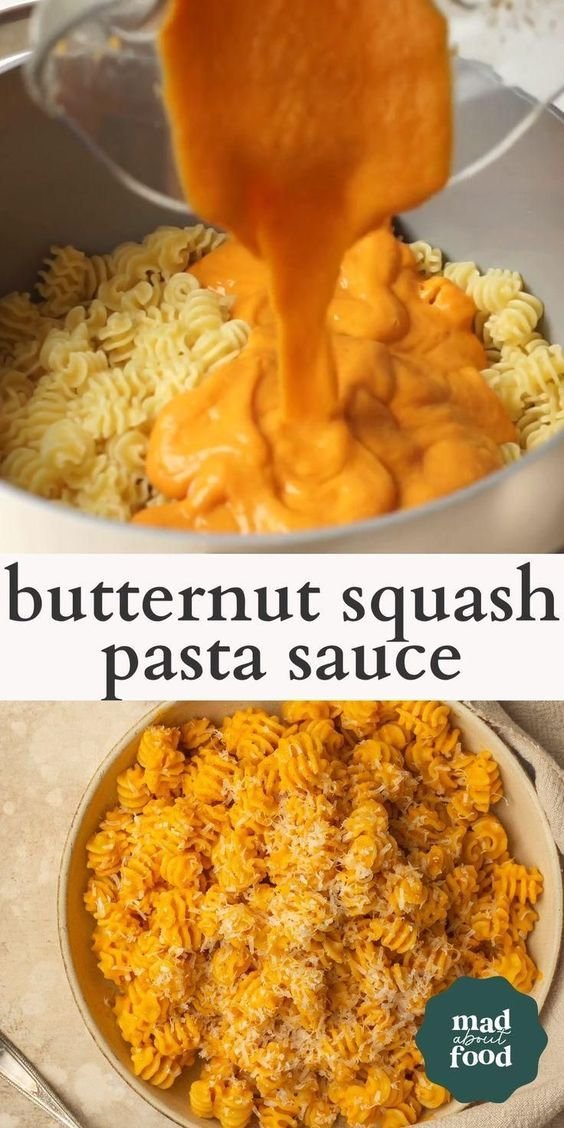
Combine with Pasta: Pour the creamy sauce over the drained pasta and toss to coat evenly.
-
Serve: Serve immediately with a sprinkle of grated parmesan cheese or a dairy-free substitute if desired.
Tips for Success
- Roasting Time: Keep an eye on the vegetables as roasting times may vary depending on your oven. Look for a slightly caramelized appearance.
- Texture Preference: For a chunkier sauce, blend less, leaving small pieces of veggies for texture.
- Pasta Cooking: Make sure to follow the time on the pasta package to avoid overcooking. Taste-test a minute before the time is up.
- Sauce Consistency: If the sauce is too thick after blending, add a little more reserved pasta water until you reach your desired consistency.
Easy Variations
- Add Protein: Incorporate cooked chicken, turkey, or sautéed mushrooms for an extra protein boost.
- Spice it Up: Add red pepper flakes for a little heat or mix in some Italian seasoning for more depth.
- Veggie Add-Ins: Consider adding spinach or kale to the mixture when blending to enhance nutrition and color.
- Nutritious Swaps: Use whole grain or chickpea pasta for added fiber and protein.
- Creamy Texture: For a richer taste, blend in a couple of tablespoons of cashew cream or a dollop of non-dairy yogurt.
What to Serve with Butternut Squash Pasta Sauce
- Garlic Bread: The buttery, garlicky flavors complement the creamy sauce perfectly.
- Simple Green Salad: A light salad dressed in a vinaigrette provides a refreshing contrast.
- Roasted Vegetables: Additional roasted seasonal veggies can make this meal even heartier.
- Grilled Chicken: A serving of grilled chicken adds protein and works wonderfully with the sauce.
- Crusty Bread: Serve with a slice of fresh, crusty bread to soak up the sauce.
Storage and Reheating
- Refrigerator Storage: Store leftovers in an airtight container in the fridge for up to 3 days.
- Freezer Storage: If you plan to freeze, place the sauce in freezer-safe bags or containers for up to 3 months. Store pasta separately to maintain texture.
- Reheating Method: Reheat on the stovetop over low heat, adding a splash of water or vegetable broth if the sauce thickens too much.
- Meal Prep Note: This sauce can be made ahead and frozen, making it a great option for meal prep.
Common Mistakes to Avoid
- Underseasoning: Don’t skip the salt and pepper, as they enhance the sauce’s flavor significantly.
- Overbaking Vegetables: Keep an eye on roasting times to prevent the vegetables from becoming too dry or burnt.
- Forget the Pasta Water: Don’t skip reserving pasta water; it helps achieve a creamy texture when blending the sauce.
- Using the Wrong Pasta Type: Choose a pasta that can hold the sauce well; avoid very thin noodles like angel hair.
Butternut Squash Pasta Sauce: Background & Cultural Inspiration
Butternut squash is a staple in many cuisines, particularly in fall and winter dishes thanks to its rich, sweet flavor. This pasta sauce combines the creamy texture of squash with the freshness of tomatoes, creating a comforting meal that is both satisfying and wholesome. Inspired by Italian pasta recipes that utilize seasonal vegetables, this dish showcases how simple ingredients can yield delicious results.
Frequently Asked Questions
Can I use fresh butternut squash instead of frozen?
Yes, you can use fresh butternut squash. Just peel, dice, and roast it until tender, which may take a bit longer than frozen.
Is this recipe suitable for meal prep?
Absolutely! You can prepare the sauce in advance and store it in the fridge or freezer. Cook the pasta fresh when you’re ready to eat.
Can I make this sauce spice-free?
Yes, simply omit the dried thyme and any additional spices to suit your taste.
How do I store leftovers properly?
Store any leftovers in an airtight container in the refrigerator for up to three days or freeze for longer storage.
What can I substitute for the pasta if I’m gluten-free?
Try gluten-free pasta options like rice pasta, quinoa pasta, or zucchini noodles for a low-carb alternative.
Final Thoughts
Butternut Squash Pasta Sauce is an easy, wholesome option for any night of the week. With its creamy texture and vibrant flavors, it’s a dish your family will ask for again and again. Whether you’re cooking for a busy weeknight or planning a cozy dinner, this recipe is a delightful way to enjoy a comforting and nutritious meal. Give it a try and enjoy a delicious homemade sauce that’s sure to impress!
PrintButternut Squash Pasta Sauce

A creamy, rich, and dairy-free pasta sauce made with frozen butternut squash and fresh tomatoes, perfect for busy weeknight dinners.
- Prep Time: 10 minutes
- Cook Time: 20 minutes
- Total Time: 30 minutes
- Yield: 4 servings
- Category: Main Course
- Method: Baking
- Cuisine: Italian
- Diet: Dairy-Free
Ingredients
- 16 oz bag of frozen diced butternut squash
- 1.5 cups fresh chopped tomatoes
- 1/2 yellow onion
- 2 tbsp olive oil
- 1 tsp salt
- 1/4 tsp black pepper
- 1/2 tsp dried thyme
- 1 lb pasta (penne or spaghetti)
- 1/3 cup pasta water (optional)
- Grated parmesan cheese or plant-based parmesan (for serving)
Instructions
- Preheat your oven to 450°F (232°C) and line a baking sheet with parchment paper.
- Spread the frozen butternut squash, chopped tomatoes, and sliced onion evenly on the baking sheet.
- Drizzle olive oil over the vegetables, then season with salt, black pepper, and dried thyme. Toss to ensure everything is well-coated.
- Bake in the preheated oven for 20 minutes or until the squash is tender and lightly caramelized.
- Cook the pasta according to package instructions, ensuring to cook it to al dente.
- Reserve 1/3 cup of the pasta water just before draining the pasta.
- Blend the hot roasted vegetables in a blender, adding the reserved pasta water, and blend until smooth.
- Pour the creamy sauce over the drained pasta and toss to coat evenly.
- Serve immediately with a sprinkle of grated parmesan cheese or a dairy-free substitute if desired.
Notes
For a chunkier sauce, blend less to retain small vegetable pieces. Adjust seasoning and add proteins or spices as desired.