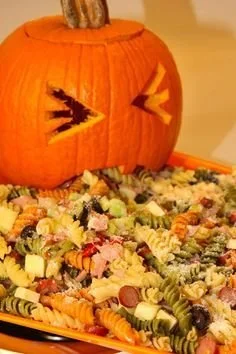
Making homemade pasta is not just a meal; it’s an experience that brings a bit of Italy into your kitchen. This recipe for Fresh Homemade Pasta offers a delightful way to create tender, flavorful noodles from scratch, making it perfect for special occasions or a comforting family dinner.
Why You’ll Love Fresh Homemade Pasta
- Easy to Make: With just flour, eggs, and a little bit of water, this recipe uses simple ingredients to create beautiful homemade pasta.
- Customizable: You can adjust the thickness and shape of your pasta to suit your preferences, whether you want fettuccine, tagliatelle, or even lasagna sheets.
- Healthier Option: Making pasta at home allows you to control the ingredients, avoiding preservatives and additives found in store-bought versions.
- Impressive Presentation: Serving fresh pasta elevates any meal, impressing your guests or family with your culinary skills.
- Fun Activity: Making pasta is a great way to involve friends or family in the kitchen, creating lasting memories while bonding over food.
Recipe Overview
- Prep Time: 30 minutes
- Cook Time: 2-4 minutes (varies with pasta type)
- Total Time: 30-34 minutes
- Servings: 4 (approximately 1 pound of pasta)
- Difficulty Level: Easy
Ingredients You’ll Need for Fresh Homemade Pasta
- 2 cups all-purpose flour: Use high-quality flour for better texture. You can substitute with semolina for a firmer pasta.
- 3 large eggs: Fresh eggs bring richness and color to the dough.
- 1/2 teaspoon salt: Enhances flavor; can adjust based on personal preference.
- Water (optional): Use sparingly; helps with dough consistency if needed.

How to Make Fresh Homemade Pasta
-
Prepare the Dough:
In a large bowl, combine the flour and salt. Create a well in the center and crack the eggs into it. -
Mix Ingredients:
Using a fork, whisk the eggs gently while slowly incorporating the flour from the edges of the well until a rough dough starts to form. -
Knead the Dough:
Transfer the dough to a floured surface. Knead it for about 8-10 minutes until smooth and elastic. -
Rest the Dough:
Wrap the dough in plastic wrap and let it rest for at least 30 minutes at room temperature. This relaxes the gluten for easy rolling. -
Roll Out the Dough:
Divide the dough into quarters. Re-flour your surface and roll out one portion of dough to about 1/8 inch thick. -
Cut the Pasta:
Use a sharp knife or a pasta cutter to slice the dough into your desired shape (fettuccine, tagliatelle, etc.). -
Cook the Pasta:
Boil a large pot of salted water. Add the fresh pasta and cook for 2-4 minutes until al dente. Fresh pasta cooks quickly, so keep a close eye on it. -
Serve and Enjoy:
Drain the pasta and toss it with your favorite sauce. Serve immediately for the best taste.
Tips for Success
- Use a Pasta Machine: If you have one, a pasta machine ensures even thickness and can speed up the rolling process.
- Keep Everything Floured: Flour surfaces and your rolling pin to prevent sticking.
- Don’t Overwork the Dough: Knead just until smooth; over-kneading can make the pasta tough.
- Taste Test: Since fresh pasta cooks quickly, taste it a minute before the recommended cooking time to ensure it’s perfect.
- Use Fresh Ingredients: Fresh, high-quality eggs and flour significantly enhance the flavor and texture of your pasta.
Easy Variations
- Flavored Pasta: Add fresh herbs like basil or spinach to the dough for a vibrant color and flavor boost.
- Stuffed Pasta: Create ravioli by filling your pasta with ricotta, spinach, or meats before sealing.
- Noodle Thickness: Adjust the thickness of your pasta for different dishes; thicker pasta works well with hearty sauces while thinner pasta pairs with lighter sauces.
- Whole Wheat Option: Substitute half of the all-purpose flour with whole wheat flour for a more rustic flavor and additional fiber.
What to Serve with Fresh Homemade Pasta
- Marinara Sauce: A classic pairing that complements the pasta’s texture.
- Alfredo Sauce: Creamy and rich, Alfredo sauce makes for a fulfilling meal.
- Pesto: Bright and herbaceous, pesto adds a fresh flavor that perfectly complements homemade pasta.
- Garlic Butter Shrimp: A delightful seafood pairing that enhances the meal with a touch of elegance.
- Steamed Vegetables: Simple steamed veggies like broccoli or asparagus add texture and nutrition to your plate.
Storage and Reheating
- Refrigerator Storage: Fresh pasta can be stored in an airtight container in the refrigerator for up to 3 days.
- Freezer Storage: To freeze, place the uncooked pasta on a floured baking sheet in a single layer until frozen solid, then transfer to a sealed bag. It can last up to 2 months.
- Reheating: Boil pasta in salted water for a minute or two to reheat. Avoid microwaving, as this can result in a chewy texture.
Common Mistakes to Avoid
- Skipping the Rest Period: This step is essential for soft, pliable dough; don’t skip it.
- Not Using Enough Flour: Insufficient flour can lead to sticky dough. Keep your work surface and the dough lightly floured.
- Cooking Too Long: Fresh pasta cooks much faster than dried pasta, so taste it early to avoid overcooking.
- Not Kneading Enough: Insufficient kneading can result in tough pasta; knead until the dough is smooth.
Fresh Homemade Pasta: Background & Cultural Inspiration
Homemade pasta has deep roots in Italian culinary tradition, dating back centuries. The art of pasta-making emphasizes simple ingredients that come together to create a comforting staple in Italian households. Families often participate in the process, with recipes handed down through generations. In Italy, making fresh pasta is not just about the meal but about the shared experience of cooking together, reinforcing bonds and celebrating heritage.
Frequently Asked Questions
Can I make this pasta gluten-free?
Yes, you can use a gluten-free flour blend, although the texture and taste may differ from regular pasta.
How do I know when my pasta is cooked?
Fresh pasta cooks quickly; it typically takes just 2-4 minutes. Taste a piece for doneness.
Can I prepare the dough ahead of time?
Absolutely! You can prepare the dough and refrigerate it for up to 24 hours before rolling and cutting.
What is the best sauce for fresh pasta?
A light sauce such as olive oil, garlic, and herbs works well, but hearty sauces like marinara or Alfredo are also wonderful options.
How do I prevent my fresh pasta from sticking together?
Toss the cut pasta with a bit of flour to prevent sticking and ensure even cooking.
Final Thoughts
Fresh Homemade Pasta is a rewarding culinary project that brings warmth and authenticity to your dining table. With just a few ingredients and some hands-on effort, you’ll create delicious noodles that elevate any meal. Whether you enjoy it with a simple drizzle of olive oil or a rich sauce, this pasta is sure to impress. So roll up your sleeves, gather your ingredients, and dive into the delightful world of pasta-making!
PrintFresh Homemade Pasta

Discover the joy of making your own pasta from scratch with this easy recipe. Fresh homemade pasta brings a taste of Italy to your kitchen and is customizable for any dish.
- Prep Time: 30 minutes
- Cook Time: 4 minutes
- Total Time: 34 minutes
- Yield: 4 servings
- Category: Main Course
- Method: Cooking
- Cuisine: Italian
- Diet: Vegetarian
Ingredients
- 2 cups all-purpose flour
- 3 large eggs
- 1/2 teaspoon salt
- Water (optional)
Instructions
- Prepare the dough: In a large bowl, combine the flour and salt. Create a well in the center and crack the eggs into it.
- Mix the ingredients: Using a fork, whisk the eggs gently while slowly incorporating the flour from the edges of the well until a rough dough starts to form.
- Knead the dough: Transfer the dough to a floured surface. Knead it for about 8-10 minutes until smooth and elastic.
- Rest the dough: Wrap the dough in plastic wrap and let it rest for at least 30 minutes at room temperature.
- Roll out the dough: Divide the dough into quarters. Roll out one portion to about 1/8 inch thick.
- Cut the pasta: Use a sharp knife or a pasta cutter to slice the dough into your desired shape.
- Cook the pasta: Boil a large pot of salted water. Add the fresh pasta and cook for 2-4 minutes until al dente.
- Serve and enjoy: Drain the pasta and toss it with your favorite sauce.
Notes
Flavored variations can include fresh herbs. Ensure to keep everything floured to prevent sticking.