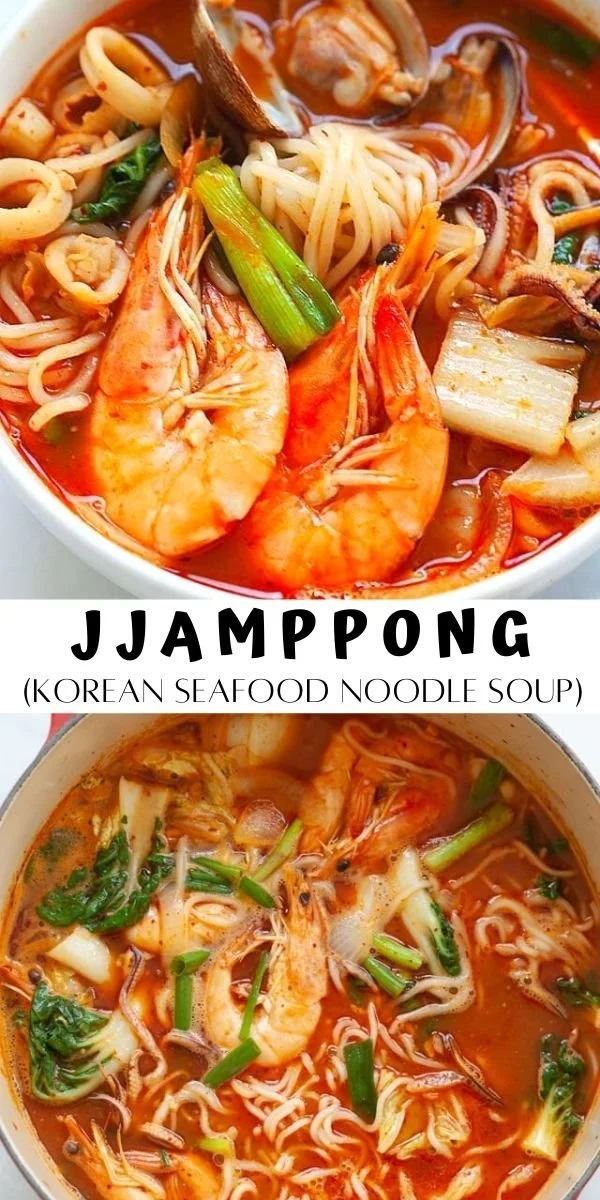
JJAMPPONG, or Korean Seafood Noodle Soup, is a delightful dish that’s perfect for anyone craving a comforting meal. With its rich broth brimming with flavors and an array of seafood delicacies, this recipe is worth making for a cozy family dinner or a special occasion.
Why You’ll Love JJAMPPONG
- Rich and Flavorful Broth: The base of this soup is a harmonious blend of gochujang and gochugaru, giving it a spicy and savory kick that warms you from the inside out.
- Easy to Prepare: This recipe is straightforward, making it accessible even for beginner cooks. With just a few steps, you can create an impressive dish.
- Customizable Ingredients: Feel free to adjust the seafood selection or spice level to suit your personal preferences or what you have on hand.
- Healthy and Satisfying: Packed with protein from the seafood and plenty of vegetables, this soup is both nourishing and filling.
- Perfect for Any Occasion: Whether you’re hosting a gathering or just making dinner for yourself, JJAMPPONG is versatile enough to please everyone.
Recipe Overview
- Prep Time: 10 minutes
- Cook Time: 20 minutes
- Total Time: 30 minutes
- Servings: 4
- Difficulty Level: Easy
Ingredients You’ll Need for JJAMPPONG
- Noodles:
- 8 oz. (230g) Korean fresh noodles
- Seafood:
- 8 oz. (230g) medium-sized shrimp (10-12 count)
- 12 oz. (350g) Manila clams
- 4 oz. (125g) squid (cut into rings)
- 4 oz. (125g) bay scallops (or sea scallops)
- Vegetables:
- 4 oz. (125g) napa cabbage (cut into pieces)
- 4 oz. (125g) bok choy
- Broth and Seasoning:
- 4 cups chicken broth (or bone broth)
- 4 tablespoons gochujang (Korean Chili Paste)
- 1 tablespoon gochugaru (Korean chili powder)
- 1-2 tablespoons soy sauce (or to taste)
- Salt (to taste)
- Aromatics:
- 2 tablespoons cooking oil
- 3 cloves garlic (minced)
- 1/2 small onion (peeled and cut into pieces)
- 2 stalks scallions (cut into strips)
(Always add 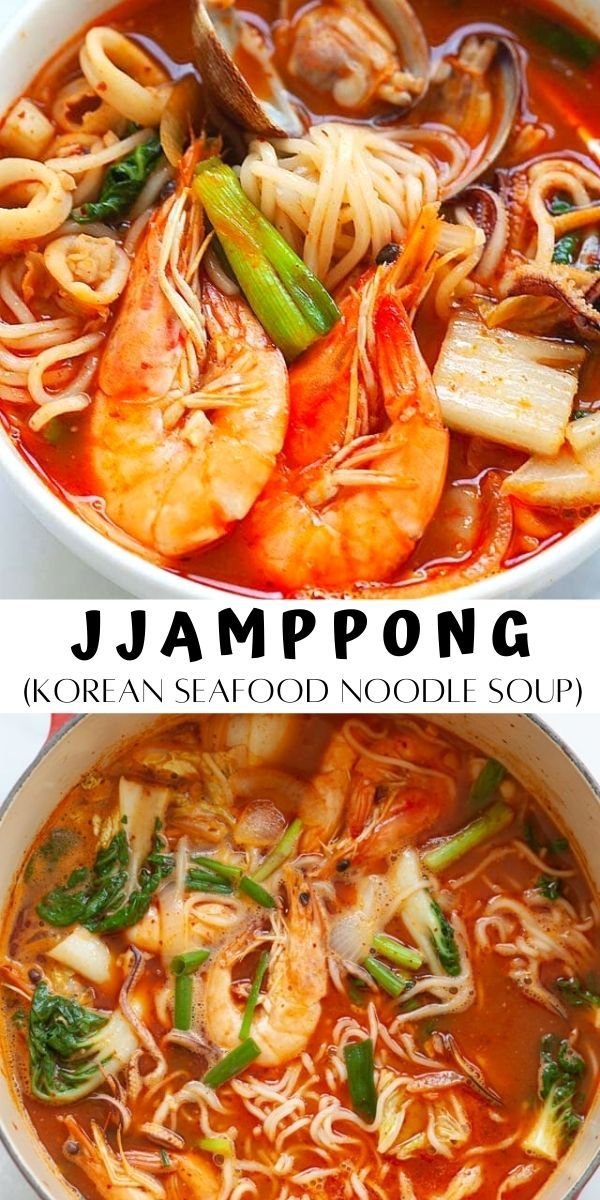
here)
How to Make JJAMPPONG
-
Prepare the Noodles: Cook the Korean fresh noodles according to the package instructions until al dente, ensuring a firm bite in the center. Drain and set aside. Avoid overcooking them.
-
Sauté Aromatics: In a large pot over high heat, add the cooking oil. Once hot, add the minced garlic and onion. Stir-fry for about 2 minutes until fragrant.
-
Add Seafood and Spices: Add the shrimp, clams, squid, and scallops to the pot. Stir in gochujang and gochugaru, combining everything thoroughly for a minute.
-
Add Broth and Vegetables: Pour in the chicken broth, followed by the napa cabbage and bok choy. Bring the mixture to a quick boil.
-
Season the Soup: Add soy sauce and salt to taste. Adjust according to your preference for seasoning.
-
Combine with Noodles: Add the cooked noodles to the soup. Stir gently and cook for about 30 seconds, allowing the noodles to absorb some flavors.
-
Finish and Serve: Stir in the scallions just before turning off the heat. Serve immediately for the best flavor.
Tips for Success
- Don’t Overcook the Noodles: They should be slightly firm when drained as they’ll continue to cook in the soup.
- Adjust Spice Level: If you prefer a milder soup, reduce the amount of gochujang and gochugaru or how much you taste and adjust while cooking.
- Use Fresh Seafood: Fresh seafood not only enhances the taste but also contributes better textures.
- Stay Organized: Prepare all ingredients before starting to keep the cooking process smooth.
- Taste as You Go: Always taste the broth after adding the soy sauce and adjust seasonings as needed.
Easy Variations
- Different Proteins: Swap the shrimp and clams for other seafood like mussels or even white fish fillets for a new flavor profile.
- Vegetable Add-ins: Incorporate other vegetables such as mushrooms, carrots, or bell peppers for added nutrition and color.
- Gluten-Free Option: Use gluten-free noodles or substitute with rice noodles for a gluten-free version.
- Spice it Up: Add chopped fresh chili peppers for additional heat if desired.
- Creamy Version: Stir in a splash of coconut milk or cream at the end for a richer, creamier broth.
What to Serve with JJAMPPONG
- Rice: A side of steamed jasmine or white rice absorbs any extra broth beautifully.
- Kimchi: This fermented side dish adds a crunchy and spicy contrast that complements the soup well.
- Pickled Vegetables: Korean pickled radishes add a refreshing crunch and balance the meal’s flavors.
- Simple Salad: A light green salad with a citrus dressing can enhance the meal’s freshness.
- Banchan: Serve various Korean side dishes to create a well-rounded meal experience.
Storage and Reheating
- Refrigerator Storage: Store leftovers in an airtight container in the fridge for up to 3 days. Reheat on the stovetop, adding a splash of broth if necessary.
- Freezer Storage: While freezing is not ideal due to noodle texture, you can freeze the broth and seafood separately. Use within one month.
- Best Reheating Method: Reheat gently on the stove over medium heat to prevent the noodles from becoming mushy.
- Meal Prep Note: For easier meal prep, prepare the broth and cook the seafood separately, assembling at serving time.
Common Mistakes to Avoid
- Overcooking the Seafood: Seafood cooks quickly, so careful timing is key. Remove it from heat as soon as it’s opaque.
- Skipping the Broth Flavoring: Don’t skip on adding the gochujang and gochugaru, as they are vital for authentic flavor.
- Neglecting Texture: Overcooked noodles will lose their desired texture. Aim for al dente before adding to the broth.
- Too Much Salt Initially: Start with less soy sauce, tasting as you go to avoid overly salted soup.
JJAMPPONG: Background & Cultural Inspiration
JJAMPPONG is a well-loved dish in Korean cuisine, known for its vibrant flavors and diverse ingredients. Originating from Chinese stir-fried noodle dishes, it quickly found its place in Korea with its unique blend of spices and fresh seafood. Traditionally enjoyed on busy days or as comfort food, JJAMPPONG reflects the Korean appreciation for warmth and communal meals that bring family and friends together.
Frequently Asked Questions
Can I use frozen seafood for JJAMPPONG?
Yes, frozen seafood can be used, but ensure it’s thawed before adding to avoid a watery broth.
How spicy is JJAMPPONG?
The spiciness can vary based on your quantities of gochujang and gochugaru. Adjust these amounts to suit your taste.
Can I make this dish ahead of time?
You can prepare the broth and cook the seafood ahead, but it’s best to assemble the dish just before serving for optimal texture.
What if I don’t have gochujang?
You can substitute it with red chili paste, but the flavor will be different. Consider adding a bit of additional sugar to mimic the sweetness of gochujang.
How should I store leftovers?
Store leftovers in an airtight container in the fridge for up to 3 days. Reheat gently on the stove to prevent overcooking the noodles.
Final Thoughts
Making JJAMPPONG is a rewarding experience that results in a hearty, comforting soup perfect for any occasion. This Korean Seafood Noodle Soup is not just delicious; it’s a satisfying meal that brings warmth and flavor to your table. Whether you’re cooking for yourself or sharing with loved ones, this recipe is definitely worth trying. Dive in and enjoy a symphony of flavors today!
PrintJJAMPPONG – Korean Seafood Noodle Soup
A delightful Korean Seafood Noodle Soup packed with rich flavors and a variety of seafood, perfect for a comforting meal.
- Prep Time: 10 minutes
- Cook Time: 20 minutes
- Total Time: 30 minutes
- Yield: 4 servings
- Category: Main Course
- Method: Stovetop
- Cuisine: Korean
- Diet: Seafood
Ingredients
- 8 oz. (230g) Korean fresh noodles
- 8 oz. (230g) medium-sized shrimp (10-12 count)
- 12 oz. (350g) Manila clams
- 4 oz. (125g) squid (cut into rings)
- 4 oz. (125g) bay scallops (or sea scallops)
- 4 oz. (125g) napa cabbage (cut into pieces)
- 4 oz. (125g) bok choy
- 4 cups chicken broth (or bone broth)
- 4 tablespoons gochujang (Korean Chili Paste)
- 1 tablespoon gochugaru (Korean chili powder)
- 1-2 tablespoons soy sauce (or to taste)
- Salt (to taste)
- 2 tablespoons cooking oil
- 3 cloves garlic (minced)
- 1/2 small onion (peeled and cut into pieces)
- 2 stalks scallions (cut into strips)
Instructions
- Prepare the noodles: Cook the Korean fresh noodles according to the package instructions until al dente, ensuring a firm bite. Drain and set aside.
- Sauté aromatics: In a large pot over high heat, add the cooking oil. Once hot, add the minced garlic and onion. Stir-fry for about 2 minutes until fragrant.
- Add seafood and spices: Add the shrimp, clams, squid, and scallops to the pot. Stir in gochujang and gochugaru, combining thoroughly.
- Pour in the chicken broth, followed by the napa cabbage and bok choy. Bring the mixture to a quick boil.
- Add soy sauce and salt to taste. Adjust according to your preference.
- Combine with noodles: Add the cooked noodles to the soup. Stir gently and cook for about 30 seconds.
- Finish and serve: Stir in the scallions just before turning off the heat. Serve immediately.
Notes
Don’t overcook the noodles and use fresh seafood for the best flavor.